Expert North Vancouver Roofer for New Roof Construction and Repairs
The Perks of Opting for Flat Roofing for Your Property
Flat roofing serves as a practical option for numerous property owners. Its design allows for efficient use of materials and room. Reduced fees and maintenance requirements upfront make it increasingly desirable. In addition, flat roofs can boost energy efficiency and eco-friendliness. However, false beliefs often obscure their benefits. Grasping these factors can help homeowners make informed decisions about their roof selections. What positive outcomes might flat roofing bring to your residence?
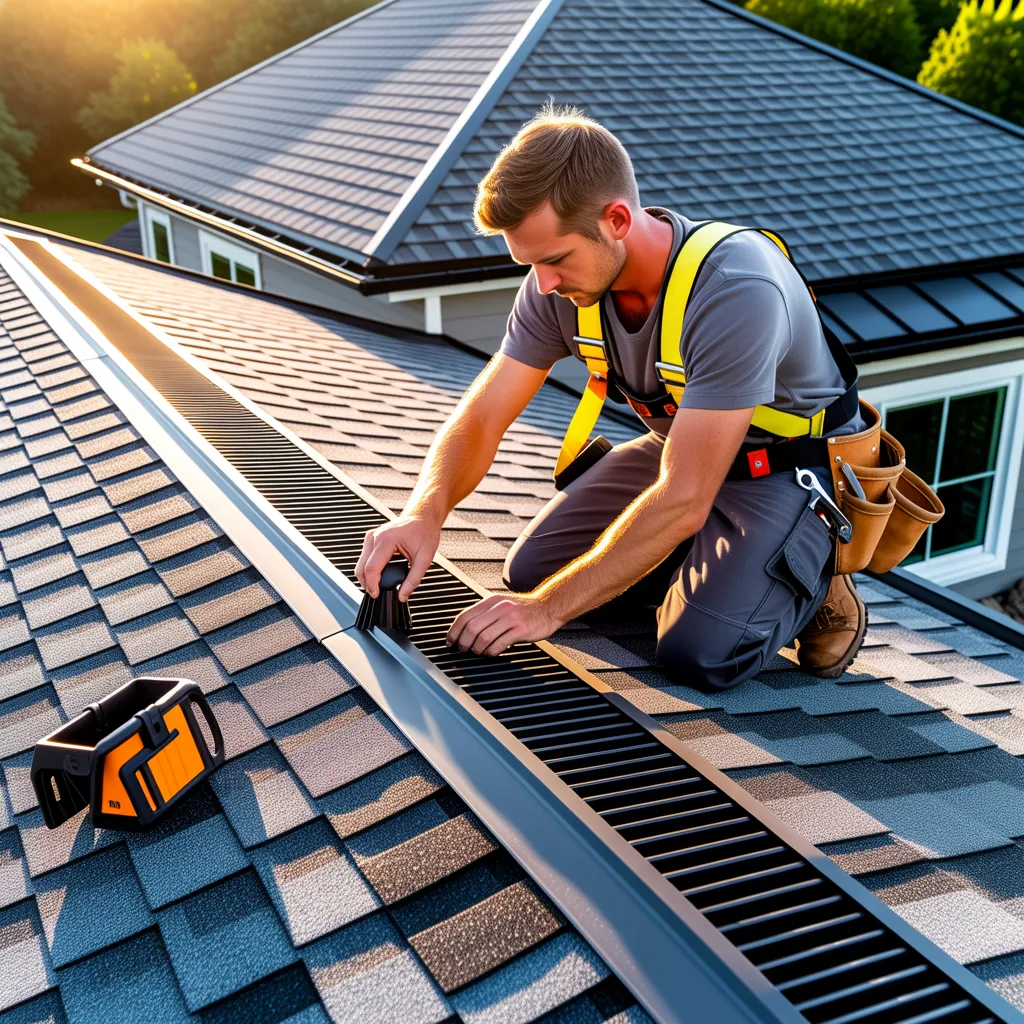
Why Assess Flat Roof Options for Your Property?
When assessing roofing options, property owners may see that flat roofing presents distinct advantages. One considerable benefit is budget-friendliness. Flat roofs often require fewer materials than sloped designs, leading lower installation expenses. Additionally, maintenance becomes more manageable, facilitating for easier access during inspections and repairs.
One more strength lies in durability. Various flat roofing materials, including TPO or EPDM, are engineered to withstand rough weather conditions, delivering long-lasting protection. This resilience can decrease the need for replacements or repairs, additionally enhancing cost savings over time.
Also, level roofs can promote the installation of energy-efficient systems, like solar panels or green roofs, which may provide enduring energy expense reductions. In essence, flat roofing offers property owners a practical solution that unites functionality, robustness, and conceivable financial perks, making it a noteworthy option for diverse structures.
Optimize Area Using Flat Roofs
Flat roofs provide excellent possibilities for optimizing available area in both commercial and residential properties. Unlike standard sloped roofs, flat roofs supply a versatile area that can be used for various purposes. Roof gardens, patios, and exterior lounging areas can enhance the aesthetic appeal and functionality of a building, producing extra leisure environments.
In commercial settings, flat roofs can accommodate HVAC systems, solar panels, or even green roofs, improving energy efficiency and sustainability. Additionally, the flat surface allows for easier access and maintenance compared to sloped roofing systems.
This design also enables the creation of upward additions, such as additional stories or elevated workspaces, without impairing the original footprint of the property. By taking advantage of the flat roof's capabilities, property owners can greatly increase both their usable space and property value, making it a wise option for enhancing utility and enjoyment.
Affordable Level Roofing Options
Although several roofing options exist, affordable flat roofing solutions stand out for their cost-efficiency and practical benefits. Multiple materials can be employed, including modified bitumen, PVC, and EPDM rubber, each offering different benefits at competitive prices. Modified bitumen, for instance, is acknowledged for its strength and ease of installation, making it an appealing choice for financially prudent property owners.
PVC roofs, while moderately more expensive, provide superior energy efficiency and longevity, consequently reducing long-term costs. EPDM rubber is another popular choice, valued for its robustness and low maintenance requirements.
These products not only minimize initial expenses but also help in conserving power, leading to further savings on utility bills. By choosing the right flat roof solution, property owners can attain a balance between price and performance, guaranteeing a financially sound expenditure that meets their needs effectively.
Keep Your Flat Roof Simply
Preserving a flat roof can be uncomplicated, in particular when deploying economical materials like modified bitumen, PVC, or EPDM rubber. These materials are fashioned for reliability and necessitate minimal servicing, making them optimal for property owners in search of stable answers. Consistent inspections are indispensable, allowing for the advance warning of potential setbacks such check now as pooling water or debris accumulation.
Regular area cleaning guarantees that drains and gutters stay clear, avoiding water damage and prolonging the roof's lifespan. Additionally, adding a protective coating can enhance resistance to UV rays and extend the roof's durability.
Instead of peaked roofs, flat-topped roofs grant better access for maintenance duties, curtailing the chance of accidents during repair and inspection work. Fundamentally, the ease of maintaining a flat roof, along with the correct materials, can afford important savings and peace of mind for property owners.
Energy Conservation and Environmental Responsibility
Increasing energy efficiency and sustainability is a prominent advantage of flat roof options. These tops often feature substances that send back sunlight, reducing heat absorption and decreasing cooling costs during warmer months. This attribute leads to less reliance on air conditioning, which can markedly minimize energy utilization and linked expenses.
Furthermore, level roofs can be fitted with insulation materials that improve thermal performance, promoting a comfortable interior space. The ability to integrate eco-friendly roof systems additionally boosts sustainability. By minimizing heat islands in cities, level roofs contribute to better air conditions and reduced energy use.
Moreover, flat roofing is typically simpler to maintain and repair, which can result in longer lifespans and minimized waste. Overall, the sustainable and eco-friendly aspects of flat roofing systems make them an appealing choice for eco-conscious property owners seeking to decrease their environmental impact while experiencing economic benefits.
Adaptable Uses: Rooftop Planted Areas and Solar Panels
Flat roofs offer unique opportunities for innovative uses, such as rooftop gardens and solar panels. Rooftop gardens not only improve aesthetics but also deliver insulation and promote biodiversity. Meanwhile, the placement of solar panels on flat roofs maximizes energy efficiency, harnessing sunlight efficiently to lower utility costs.
Rooftop Garden Strengths
Rooftop gardens deliver substantial advantages, effortlessly weaving nature into urban areas. These planted spaces elevate aesthetic value, converting unremarkable rooftops into vibrant havens. They also supply crucial ecological perks, including boosting air quality and reducing urban heat via natural cooling methods. In addition, rooftop gardens can work as adaptable locations, offering areas for rest, social gatherings, or even urban farming. They advance biodiversity by forming habitats for diverse species, supporting ecological equilibrium throughout city areas. Additionally, these gardens can assist in stormwater runoff reduction, decreasing flooding risks. In conclusion, the addition of rooftop gardens serves as a renewable approach that boosts both property value and the quality of life for urban residents.
Solar Panel Effectiveness
More homeowners and businesses are recognizing the efficiency of solar panels as a powerful method for renewable energy generation. Flat roofs provide an perfect platform for solar panel installation due to their unobstructed exposure to sunlight. This placement allows peak performance, optimizing energy capture all day long. Additionally, the smooth surface of flat roofing allows for easier upkeep and installation versus sloped roofs. Incorporating solar panels can markedly decrease energy costs, promoting property sustainability. Moreover, combining solar panels with rooftop gardens enhances insulation and reduces urban heat, showcasing the versatility of flat roofing. Ultimately, the synergy between solar energy and flat roofs contributes to environmental sustainability while offering financial benefits.
What Are Common Myths About Flat Roofing?
What misunderstandings surround flat roofing? Many property owners believe that flat roofs are prone to leaks and need more care than sloped roofs. However, modern substances and techniques have considerably improved their resilience and water resistance. Another common myth is that flat roofs possess no aesthetic appeal. In reality, they offer adaptability in design and can accommodate rooftop gardens or solar panels, enhancing both functionality and appearance. Some also maintain that flat roofs cannot handle heavy snow or rain. In truth, proper drainage systems can effectively manage these conditions. Finally, there is a conviction that flat roofing is less energy-efficient. When installed correctly with adequate insulation, flat roofs can provide excellent energy savings. By challenging these myths, property owners can make informed decisions about the benefits and practicality of flat roofing solutions.
Regular Questions Raised
What is the typical lifespan of a flat roof?
A flat roof frequently lasts between 15 to 30 years, contingent upon materials used, installation quality, and maintenance. Routine examinations and timely repairs can extend its lifespan considerably beyond the average duration.
What Are the Most Suitable Materials to Choose in Flat Roof Construction?
The finest materials for flat roofing include PVC, TPO, EPDM rubber, and modified bitumen. Each delivers individual strengths, such as durability, energy efficiency, and weather protection, making them popular selections for various applications.
Can I install a flat roof on my own?
Putting in a flat roof independently is possible for those with adequate talents and knowledge. However, it calls for cautious organization, proper equipment, and adherence to local building codes to confirm robustness and well-being throughout the installation process.
In what manner do level roofs handle intense rainfall?
Flat roofs control heavy rain through effective drainage systems, including internal gutters and scuppers. Proper installation and maintenance are essential to avoid standing water and possible water-related harm, ensuring longevity and functionality in adverse weather conditions.
What Superior Moisture Drainage Systems Are Recommended for Flat Roofs?
Flat roof water management systems that work well encompass internal drains, scuppers, and tapered insulation. These systems promote water flow towards designated drainage points, preventing ponding and potential structural damage from accumulated water during heavy rainfall.